Stability Control Augmentation System
SKU: MD-P00509·UAV Platforms·Made to Order
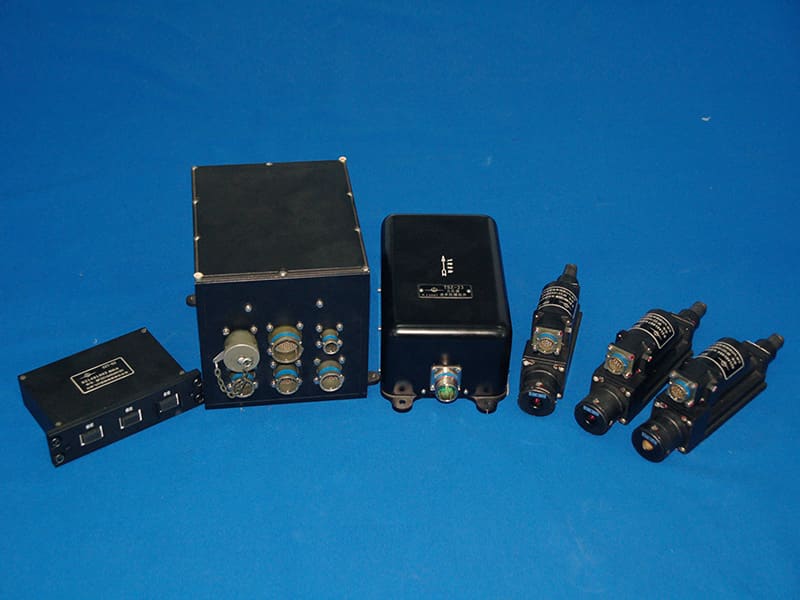
Overview
The control stabilization system is a flight control system that can improve the stability of the aircraft and improve the controllability of the aircraft. The stability of the aircraft is determined by the aerodynamic layout. The stability and maneuverability of modern high-speed aircraft are contradictory. The mechanism of the control system is applied, and the closed-change control system formed by the angular velocity of the aircraft and the overload signal is introduced to improve the stability of the aircraft; The feedforward command compound control was introduced to improve the maneuverability of the aircraft. The control augmentation system is a flight control system that can improve the stability of the aircraft and improve the control system. The stability of the aircraft is determined by the aerodynamic layout. The stability and maneuverability of modern high-speed aircraft are at odds with each other. The mechanism of the control system is applied, and the angular velocity and overload signals of the aircraft are introduced to form a closed-loop control to improve the stability of the aircraft; the feedforward command compound control is introduced to improve the maneuverability of the aircraft. Control stabilization system is the basis of fly-by-wire system, which has been widely used in modern flight control system. Selection of main gain factor The increase of the gain coefficient K as the main channel can improve the anti-interference ability of the aircraft, and at the same time improve the aircraft's ability to respond to the pilot's command. However, the increase of K makes the short-cycle frequency increase faster, and if K is too large, the system will appear a divergent trend. Therefore, K should not be too large. Selection of feedback parameters The influence of the feedback parameter N in this paper is based on the fact that another feedback parameter remains unchanged. Therefore, increasing N has a greater effect on improving the short-cycle frequency of the aircraft, and can also improve the effect of the stick force on the overload gradient and the overload gradient in maneuvering flight. Rod displacement versus overload gradient, improving the aircraft's ability to respond to pilot commands.