Lightning Protection Design and Verification for UAV
SKU: MD-P00475·UAV Platforms·Sob encomenda
Visão geral
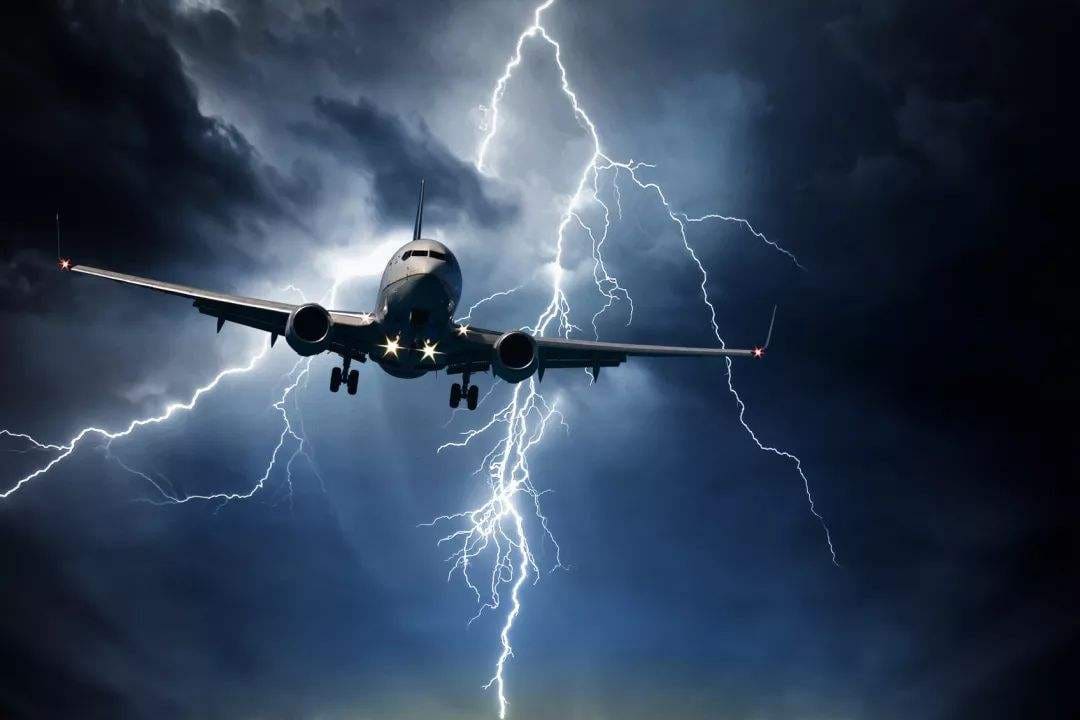
Lightning is a common natural phenomenon, with an average of about 8 million lightning strikes occurring every day in the Earth's atmosphere. Among them, the amplitude is as high as 200 kA, and the current rise rate can reach up to about 1000 kA per second. UAVs flying at high altitudes are very vulnerable to lightning strikes. Without adequate lightning protection measures, UAVs will become very vulnerable in thunderstorm environments, unable to perform normal work, or even crash out of control, greatly reducing combat indicators. Therefore, it is of great significance to study the lightning protection and anti-lightning electromagnetic pulse interference of UAVs. 1 The harm of lightning to drones The direct effect mainly refers to the physical damage to the structure caused by lightning directly hitting the UAV. The degree of damage is mainly related to factors such as the size of the lightning current, duration, action integral, and charge transfer amount, which mainly include the following aspects. (1) Mechanical effects. UAVs make extensive use of composite materials, such as radomes, fuselage structures, wings, etc. The voltage of lightning is as high as thousands of kilovolts, and the action time is only a few milliseconds. Therefore, the impact force generated is very large, which may cause breakdown, opening and tearing of structures such as radomes and fuselage skins. (2) Thermal effect. The electrical conductivity of the composite material is very low. When the drone is struck by lightning, the composite material cannot effectively conduct the lightning current, and the electric charge is accumulated in a large amount near the lightning strike point and converted into heat energy, which may cause the composite material to burn, melt and structural deformity. Wait. Thermal effect is a typical damage form of lightning, which seriously threatens the flight safety of UAVs.