Sounding Rockets
SKU: MD-P00737·Defense & Defense Systems·Auf Bestellung
Übersicht
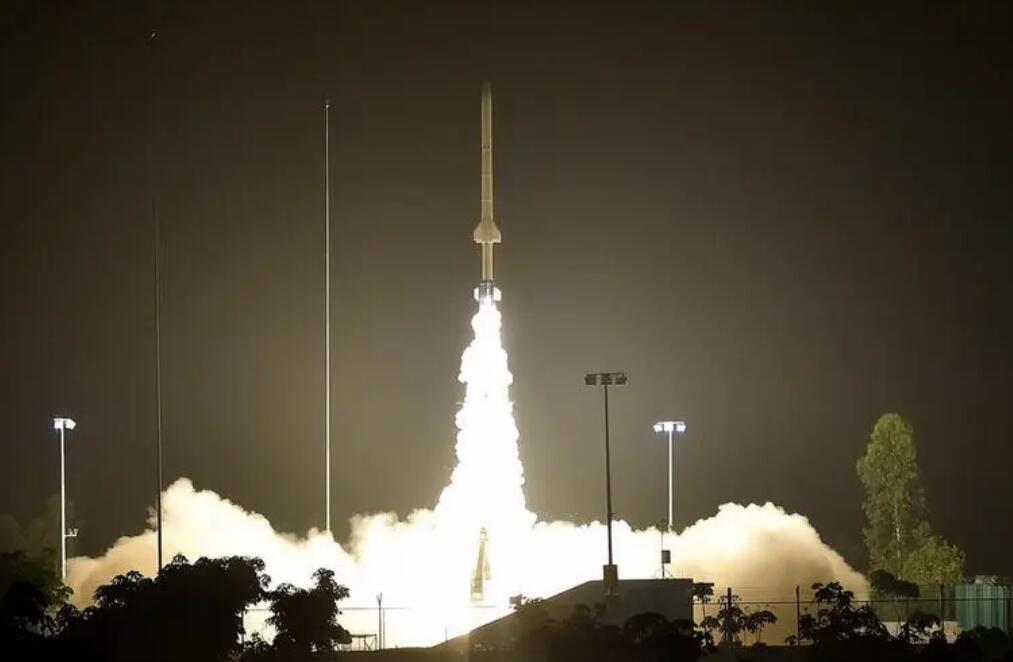
Sounding rockets are rockets used for detection and scientific experiments in near-Earth space. Sounding rockets can be used to detect the structural components and parameters of each layer of the atmosphere in the height direction, and to study various solar-terrestrial physical phenomena such as the ionosphere, geomagnetic field cosmic rays, solar ultraviolet and X-rays, and meteorite dust. Sounding rockets fly higher than sounding balloons and fly lower than artificial earth satellites operating in low orbits. They are effective detection tools at altitudes of 30 to 200 kilometers. Sounding rockets are rockets used for detection and scientific experiments in near-Earth space. Sounding rockets can be used to detect the structural components and parameters of each layer of the atmosphere in the height direction to study various solar-terrestrial physical phenomena such as the ionosphere, geomagnetic field, cosmic rays, solar ultraviolet and X-rays, meteorite dust, etc. Sounding rockets fly higher than sounding balloons and fly lower than artificial earth satellites operating in low orbits. They are effective detection tools at altitudes of 30 to 200 kilometers. The data obtained by sounding rockets can be used for weather forecasting, earth and astrophysical research, and provide necessary environmental parameters for the development of ballistic missiles, launch vehicles, artificial satellites, manned spacecraft and other aircraft. Sounding rockets can also be used for experimental research on certain special issues, such as using the weightless state provided by sounding rockets to study the changes and adaptability of biological organisms, and using sounding rockets to conduct verification tests of new technologies and instruments. Sounding rockets are generally uncontrolled rockets, which have the advantages of simple structure, low cost, and convenient launch. It is more suitable for temporary observation of special natural phenomena that occur in a short period of time (such as auroras, solar eclipses, solar outbursts, etc.) and continuous observation of certain natural phenomena that change with time and location (such as weather). There are some special technical requirements for launching uncontrolled rockets, mainly: ensuring flight stability, reaching a predetermined detection height and reducing the spread of the ballistic apex and impact point. The world's first rocket specifically used for high-altitude atmospheric detection was the "Corporal" rocket successfully developed by the United States in the autumn of 1945. It can deliver a payload of 11 kilograms to an altitude of 70 kilometers. After that, the United States and the Soviet Union launched a number of sounding rockets using captured V-2 rockets. The International Geophysical Year activities in the 1950s greatly promoted the development of sounding rockets, and many countries began the development of sounding rockets. By the 1980s, more than 20 countries in the world had developed or used sounding rockets. The annual launch volume of sounding rockets reaches thousands.
Technische Daten
Specifications. Wichtige technische Daten: Detection height 10hPa~1100hPa, Temperature measurement -50C~60 C, Humidity measurement 0~100%RH, Pressure measurement 10hPa~1100hP, Rocket diameter 50mm, Power supply 1h, Storage time >2years, Receiving distance >25km, Rocket detection success rate 95%, Max.Diameter (mm) 82, Total Length 1570, Launch Mass 8.9, Height(km) 8.0+0.5, Effective probing altitude range 0~7, Landing velocity of rocket sonde (m/s) 6 1, Pressure range (hpa) 10-1100, Wind Speed Range (m/s) 0~25, Frequency of data collection (Hz) 1, Continuous working time (min) >120, Probing Items temperature, pressure,humidity, wind speed, inddirection and 3D coordinate of measure points, Storage period 3 years, Load compartment outer diameter 398mm, Flight altitude 120km, Rocket body length 6m, Payload Weight 50kg, Take-off mass 620kg, Take-off thrust 120kN, Take-off weight 2900kg, Microgravity level 10g, Microgravity test time 6.5min.
Technische Daten — 1 groups
Wichtige technische Daten: Detection height 10hPa~1100hPa, Temperature measurement -50C~60 C, Humidity measurement 0~100%RH, Pressure measurement 10hPa~1100hP, Rocket diameter 50mm, Power supply 1h, Storage time >2years, Receiving distance >25km, Rocket detection success rate 95%, Max.Diameter (mm) 82, Total Length 1570, Launch Mass 8.9, Height(km) 8.0+0.5, Effective probing altitude range 0~7, Landing velocity of rocket sonde (m/s) 6 1, Pressure range (hpa) 10-1100, Wind Speed Range (m/s) 0~25, Frequency of data collection (Hz) 1, Continuous working time (min) >120, Probing Items temperature, pressure,humidity, wind speed, inddirection and 3D coordinate of measure points, Storage period 3 years, Load compartment outer diameter 398mm, Flight altitude 120km, Rocket body length 6m, Payload Weight 50kg, Take-off mass 620kg, Take-off thrust 120kN, Take-off weight 2900kg, Microgravity level 10g, Microgravity test time 6.5min.
Technische Daten
Specifications
- Detection height
- 10hPa~1100hPa
- Temperature measurement
- -50C~60 C
- Humidity measurement
- 0~100%RH
- Pressure measurement
- 10hPa~1100hP
- Rocket diameter
- 50mm
- Power supply
- 1h
- Storage time
- >2years
- Receiving distance
- >25km
- Rocket detection success rate
- 95%
- Max.Diameter (mm)
- 82
- Total Length
- 1570
- Launch Mass
- 8.9
- Height(km)
- 8.0+0.5
- Effective probing altitude range
- 0~7
- Landing velocity of rocket sonde (m/s)
- 6 1
- Pressure range (hpa)
- 10-1100
- Wind Speed Range (m/s)
- 0~25
- Frequency of data collection (Hz)
- 1
- Continuous working time (min)
- >120
- Probing Items
- temperature, pressure,humidity, wind speed, inddirection and 3D coordinate of measure points
- Storage period
- 3 years
- Load compartment outer diameter
- 398mm
- Flight altitude
- 120km
- Rocket body length
- 6m
- Payload Weight
- 50kg
- Take-off mass
- 620kg
- Take-off thrust
- 120kN
- Take-off weight
- 2900kg
- Microgravity level
- 10g
- Microgravity test time
- 6.5min
Kompatible Fluggeräte
Dieses Teil passt zu den folgenden Plattformen.
Passdaten werden ergänzt — kontaktieren Sie uns mit Ihrem Fluggerätemodell.